Twenty Minutes Is Not Half a Workout
Skipping the short session feels like having standards. The research on exercise snacks, low-volume lifting and muscle maintenance says it's a math error. Here's a 20-minute plan for the tight days.
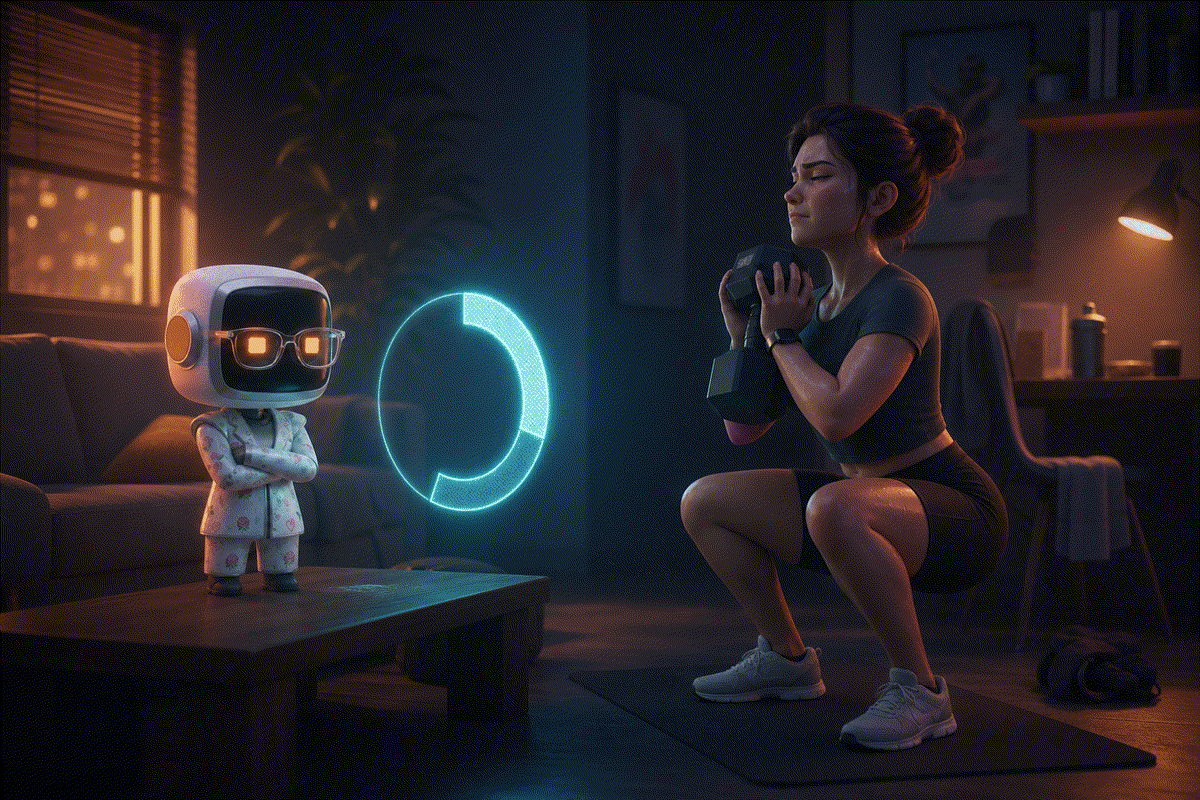
It's Thursday. Your last call ran long, dinner is in 25 minutes, and the program on your phone wants an hour: squats, three accessories, a core circuit. Twenty-five minutes won't cover the real thing, so you make the responsible call and skip it.
You had time to train and you trained for zero minutes. It felt like discipline. If you've ever wondered whether 20-minute workouts are effective, that Thursday is why the question matters: the short session you skip is usually the only session on offer.
Below: what the research says about short sessions for fitness and muscle, where 20 minutes falls short, and a 20-minute dumbbell plan you can run on the next tight evening.
The math error behind skipped workouts
When the 25-minute window opens, your brain compares it with the hour you planned, and the scrap looks pathetic: no back-off sets, two accessories gone, no ab work. But the hour was never available today. The real choice was 25 minutes or nothing, and against nothing, 25 minutes wins every time.
Cognitive behavioral therapists call the rigged comparison all-or-nothing thinking, one of the classic cognitive distortions. It turns a spectrum into a yes/no question: the meal was clean or ruined, the workout complete or worthless. From the inside, it passes for having standards. Your muscles keep a simpler ledger. They respond to the work you did and have never once asked whether the session was long enough to count.
Are 20-minute workouts effective? What the research says
Short answer: yes, if the 20 minutes contain real effort. Most dose-response curves in exercise science climb steeply at the start and flatten as the dose grows, so going from zero to a little pays the best rate you will ever get.
Short bouts of activity still count
The World Health Organization's 2020 physical activity guidelines dropped the old rule that activity only counted in bouts of 10 minutes or more, because cohort studies showed benefits from activity of any bout length.
Wearable data went further. In a 2022 Nature Medicine study, Emmanuel Stamatakis and colleagues analyzed about 25,000 UK Biobank participants who did no leisure-time exercise. Those with around three one-to-two-minute bursts of vigorous everyday movement a day (fast stairs, hurrying for a bus) had roughly 38 to 40 percent lower risk of death from any cause than people with none. It's observational, so it can't prove cause, but that is a strong signal from tiny doses.
A small controlled trial points the same way. In a 2019 study from Martin Gibala's lab at McMaster University, sedentary young adults ran up three flights of stairs three times a day, three days a week, each bout under a minute. After six weeks their cardiorespiratory fitness had improved, modestly but measurably. Researchers call this exercise snacking, and despite the influencer-sounding name, it's a serious research area.
Low-volume lifting still builds muscle
A 2017 meta-analysis by Brad Schoenfeld, Dan Ogborn and James Krieger found a graded relationship between weekly sets and muscle growth: more sets, more growth, each extra set adding a little. Read it the other way and the low-volume groups grew too, just less. Your first few hard sets of the week give the most return per minute.
A 2021 review by Iversen and colleagues, No Time to Lift?, worked out what a time-efficient program needs: at least four hard sets per muscle group per week, mostly multi-joint lifts, with loads you can move for roughly 6 to 15 reps. Supersets, drop sets and rest-pause sets roughly halve training time at the same volume. Two 20-minute sessions a week can clear that bar.
Keeping muscle costs far less than building it
In a 2011 study by Bickel, Cross and Bamman, young adults lifted three days a week for 16 weeks, then dropped to one session a week with one set per exercise, about a ninth of the volume. Over the next 32 weeks they kept their muscle size and strength. Older adults needed about a third of the original volume to keep muscle size. So a brutal month of 20-minute weeks holds the line, which all-or-nothing accounting never books as the win it is.
Is a 20-minute workout enough to build muscle?
Some, yes. Enough to maximize growth, probably not. Hypertrophy responds to volume, so if you're chasing a physique, a meet or a number on the bar, take longer sessions on the days you can get them.
But be honest about which sessions you're skipping. The one you dropped was an ordinary Thursday, and a year of training is mostly ordinary Thursdays. Fifty of them at 20 minutes is more than 16 hours of training. Fifty skipped ones is zero. And count the drive, the locker room and the wait for the squat rack: a 60-minute gym trip holds a lot less lifting than the label says.
Why a short workout feels like it doesn't count
If short sessions work, why does doing one feel like cheating? Partly identity. Twenty minutes next to the couch with one dumbbell looks nothing like the training montage in your head. No chalk, no gym bag, no playlist ritual. It looks like a compromise, and you're trying to become someone who doesn't compromise.
The bigger cost shows up later. A skipped Thursday changes Saturday, because Saturday's decision happens in the shadow of a miss, and "the week is already shot" starts to sound like a reason. One zero makes the next one easier, while a short session keeps the chain intact. That dynamic sits at the center of the all-or-nothing workout streak, and the same rigid thinking shows up again in why people quit working out.
A 20-minute dumbbell workout you can do Monday
This template uses supersets, so one muscle group rests while another works. You need dumbbells (even one) and a patch of floor. Pick a weight you could lift about 12 times, and end each set with one or two good reps still in the tank.
- 1.Minutes 0 to 3, warm-up. 10 slow bodyweight squats, 10 incline push-ups against a counter, one light set of 8 goblet squats. The Iversen review suggests skipping long general warm-ups when time is short.
- 2.Minutes 3 to 11, block A. Goblet squat, 8 to 12 reps, straight into a one-arm dumbbell row, 8 to 12 per side. Rest 60 to 75 seconds. Three rounds.
- 3.Minutes 11 to 19, block B. Dumbbell Romanian deadlift, 8 to 12 reps, then push-ups or a dumbbell floor press, 8 to 12 reps. Rest 60 to 75 seconds. Three rounds.
- 4.Minutes 19 to 20, optional finisher. 30 seconds of fast step-ups on a stair. Then write the session down.
That's 12 hard sets covering squat, hinge, push and pull. Run it twice a week and legs, back and chest each clear the Iversen minimum of four weekly sets. Keep the rests: supersets already save the time, and cutting rest between sets of the same muscle costs you reps. More on how long to rest between sets.
Write your shrink rules before you need them
Willpower is weakest right when the window shrinks, so decide earlier. A 2006 meta-analysis by Peter Gollwitzer and Paschal Sheeran found that if-then plans (implementation intentions) reliably improve follow-through on goals. Put yours in your notes app now:
- 30 minutes: the full template plus one extra round of each block.
- 15 minutes: blocks A and B, two rounds each, 45 seconds rest.
- 10 minutes: goblet squats and push-ups as a superset, as many clean rounds as fit.
- 5 minutes, or stuck at your desk: three fast trips up a flight of stairs spread through the day.
When the tight evening arrives, there's nothing left to talk yourself out of. Log the short session like any other, or next week's memory will round it down to zero. If the tight evening is also a drained one, see how to train when you're too tired after work. Rules like these are one of the simplest tools for staying consistent with working out.
So, are 20-minute workouts effective?
Yes, when you judge them against the zero you'd otherwise do. Twenty honest minutes improves fitness and holds onto your muscle, and two or three a week can still build more. Next time 25 minutes is all you get, run block A and block B, then go eat dinner.
The hardest part of a short workout is the minute before it, when you have 20 minutes and a program built for 60. Tell CoachMoach what you have (20 minutes, dumbbells, full body) and it generates a session that fits the window on the spot. Build your first short session free.
FAQ
- Are 20-minute workouts effective?
- Yes, as long as the 20 minutes contain real effort. Exercise dose-response curves are steepest at the low end, so going from nothing to a short session brings large returns. Trials of brief stair-climbing bouts improved fitness in sedentary adults, and low-volume strength training still builds muscle, just more slowly than higher volumes.
- Is it better to do a short workout or skip it?
- Do the short workout. A short session still gives your body a training stimulus, and it protects the habit. A skipped session makes the next skip feel more reasonable, while a completed short one keeps your routine intact. Over a year, dozens of 20-minute sessions add up to many hours of training that would otherwise be zero.
- Is a 20-minute workout enough to build muscle?
- It can build some muscle, especially for beginners, and it can maintain most of what you already have. Muscle growth responds to weekly volume, so two or three 20-minute sessions built on supersets will grow more than one. A 2021 review suggested at least four hard sets per muscle group per week as a time-efficient minimum.
- How little exercise do you need to maintain muscle?
- Less than most people expect. In a 2011 study, young adults who had trained for 16 weeks kept their muscle size and strength for 32 weeks on one session a week with one set per exercise. Older adults needed roughly three times that volume to keep their muscle size, so they should aim a bit higher.
- What are exercise snacks?
- Exercise snacks are very short bouts of vigorous exercise, often under a minute, spread through the day. Examples include running up a few flights of stairs or doing a quick set of squats. Studies in inactive adults have found that several snacks a day, a few days a week, can improve cardiorespiratory fitness within six weeks.
Ready to train?
Not a plan. A presence.
Seven AI coaches. Real voice coaching during your workout. Start free — no credit card required.
Start Training Free